Introduction
Creating videos can help people share knowledge, entertain audiences, build communities, and develop an online business. But publishing content and earning money from it are two different things. Creators need a monetization strategy that connects their content with an audience and gives that audience a clear reason to watch, subscribe, support, or purchase.
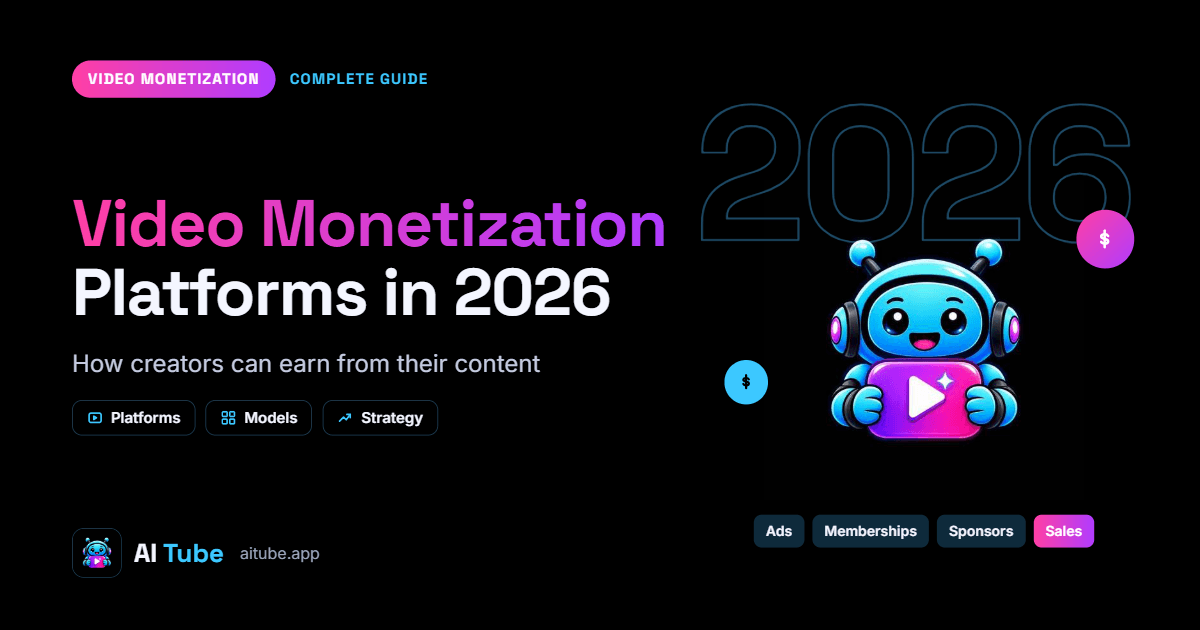
Video monetization platforms help creators turn content into potential revenue. Depending on the platform, earnings may come from advertising, paid memberships, subscriptions, sponsorships, affiliate links, digital products, or other commercial opportunities. However, not every platform offers the same features, and monetization eligibility can depend on location, audience size, content quality, and platform rules.
This guide explains how video monetization works, what to compare when choosing a platform, and how creators can build a more sustainable revenue strategy in 2026.
What Is a Video Monetization Platform?
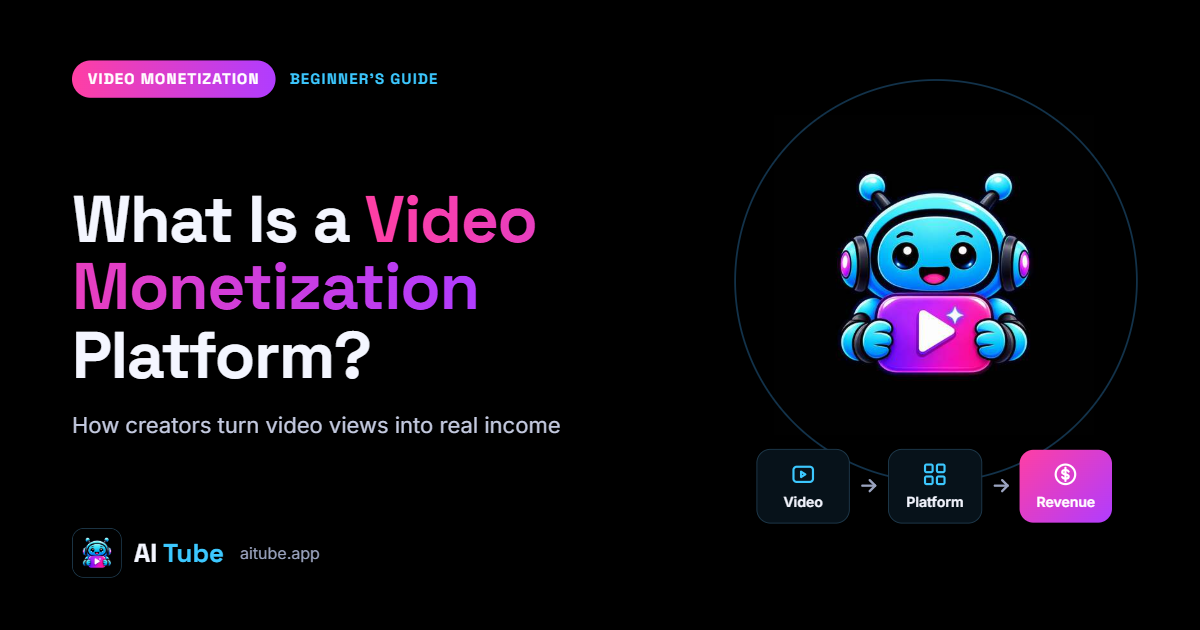
A video monetization platform is a service that helps creators or publishers earn revenue from video content. Some platforms distribute videos to a large audience and share advertising revenue with eligible creators. Others provide tools for selling access to videos, managing subscriptions, delivering paid courses, or building a direct relationship with an audience.
The right choice depends on the creator’s goals. Someone making educational videos may prefer paid courses or memberships, while an entertainment creator may focus on advertising, sponsorships, and audience-supported features.
A platform may provide video hosting without providing monetization. Before investing time in a new service, check its current revenue options, eligibility requirements, payment terms, and content policies.
7 Common Video Monetization Models
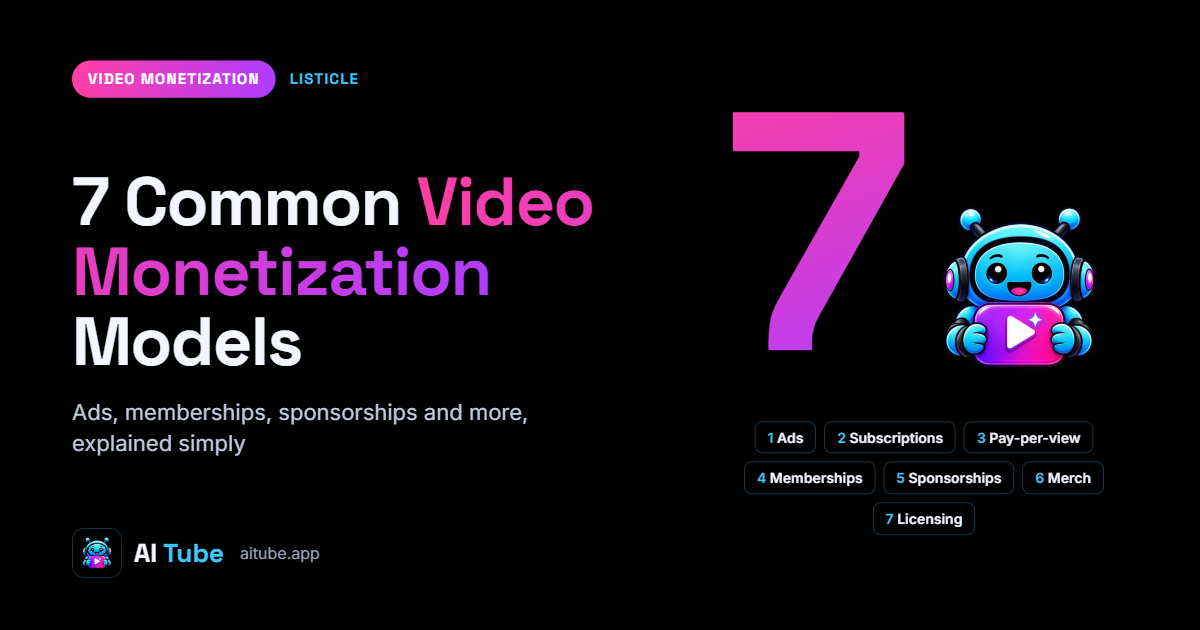
1. Advertising revenue
Advertising monetization allows a platform or creator to earn money when ads are displayed around or within eligible content. Revenue can vary with audience location, advertiser demand, video topic, viewing behavior, ad availability, and the platform’s revenue-sharing rules.
Advertising can work well for creators who consistently attract an audience. However, high view counts alone do not guarantee high earnings. Some views may not qualify for monetization, and revenue per thousand views can vary significantly.
2. Paid subscriptions
Subscriptions provide recurring access to content or features. A creator might offer exclusive videos, premium tutorials, behind-the-scenes content, or a members-only community.
This model can make income more predictable, but it requires ongoing value. People are more likely to maintain a subscription when they understand what they receive and why it is worth paying for.
3. Channel memberships and fan support
Audience-supported monetization lets viewers contribute directly through memberships, tips, or platform-specific support features. It can work particularly well for creators with loyal communities.
The creator should communicate what support helps fund without making viewers feel pressured. Platform availability and eligibility vary, so review the official rules before building a plan around these features.
4. Sponsorships and brand partnerships
A business may pay a creator to introduce a product, demonstrate a service, or integrate a brand into a video. Sponsorships depend on audience relevance, credibility, content quality, and the creator’s ability to demonstrate value to the advertiser.
Creators should clearly disclose paid partnerships and follow the advertising and disclosure rules that apply to their audience and location.
5. Affiliate marketing
Affiliate marketing allows creators to earn a commission when viewers purchase through tracked links or codes. Tutorials, product comparisons, reviews, and educational videos can be suitable formats when the recommended product genuinely fits the audience’s needs.
Affiliate earnings depend on the commission structure, conversion rate, product price, and the quality of the traffic. Always disclose affiliate relationships clearly.
6. Digital products and services
Videos can help creators sell templates, guides, courses, consulting, presets, or other digital products. Instead of relying only on platform advertising, creators can use educational content to demonstrate expertise and direct interested viewers toward a relevant offer.
This model requires a useful product, a clear buying process, and honest marketing. A video should solve part of the audience’s problem rather than simply act as an advertisement.
7. Licensing and content distribution
Some creators earn by licensing original footage, animations, educational material, or other video assets to businesses and publishers. This approach is more suitable for content that has value beyond a single social media post.
Creators should retain records of ownership and understand the licensing terms before allowing another party to distribute or reuse their work.
How to Compare Content Monetization Platforms
Before selecting a platform, compare more than its popularity.
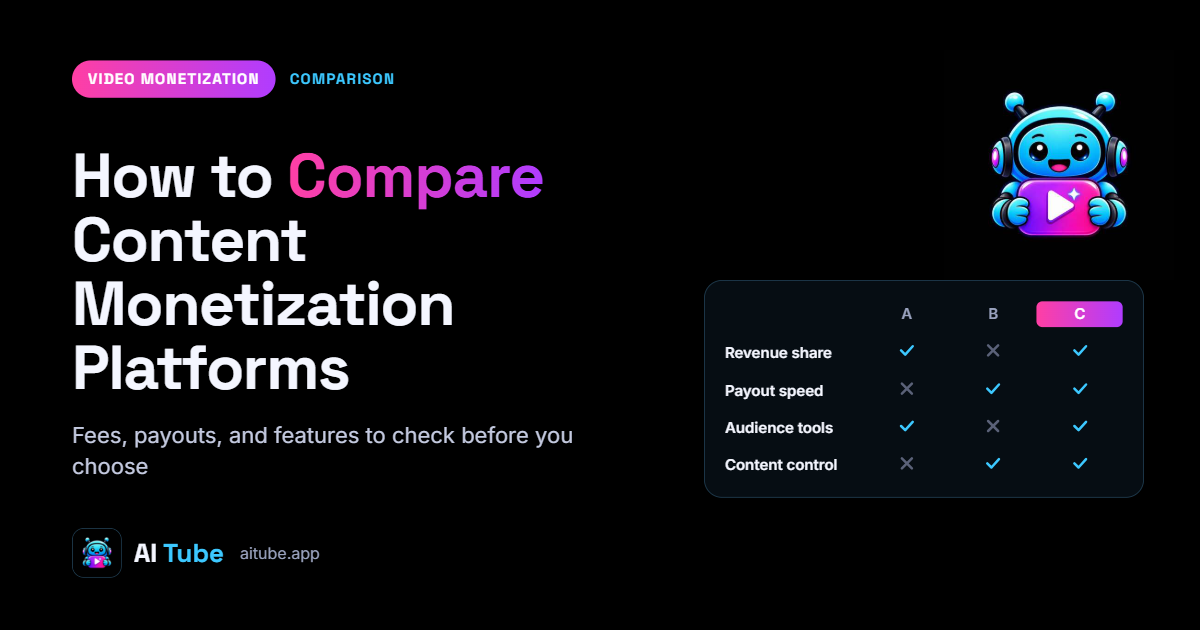
Monetization options: Does it support ads, memberships, subscriptions, tips, or paid content?
Eligibility: Are there minimum audience, watch-time, content, or account requirements?
Audience access: Does the service help people discover new content, or must creators bring their own viewers?
Revenue share and fees: Understand deductions, payment processing, platform commissions, and payout thresholds.
Analytics: Can you measure views, retention, traffic sources, engagement, and revenue?
Content ownership: Review the platform’s rights, licensing, and reuse terms.
Payment availability: Check supported countries, payment methods, tax requirements, and payout schedules.
Content policies: Understand the rules that could affect monetization or account access.
A platform that offers many features is not automatically the best option. Choose one that matches your content format, audience, and business model.
YouTube Monetization and Alternative Creator Platforms
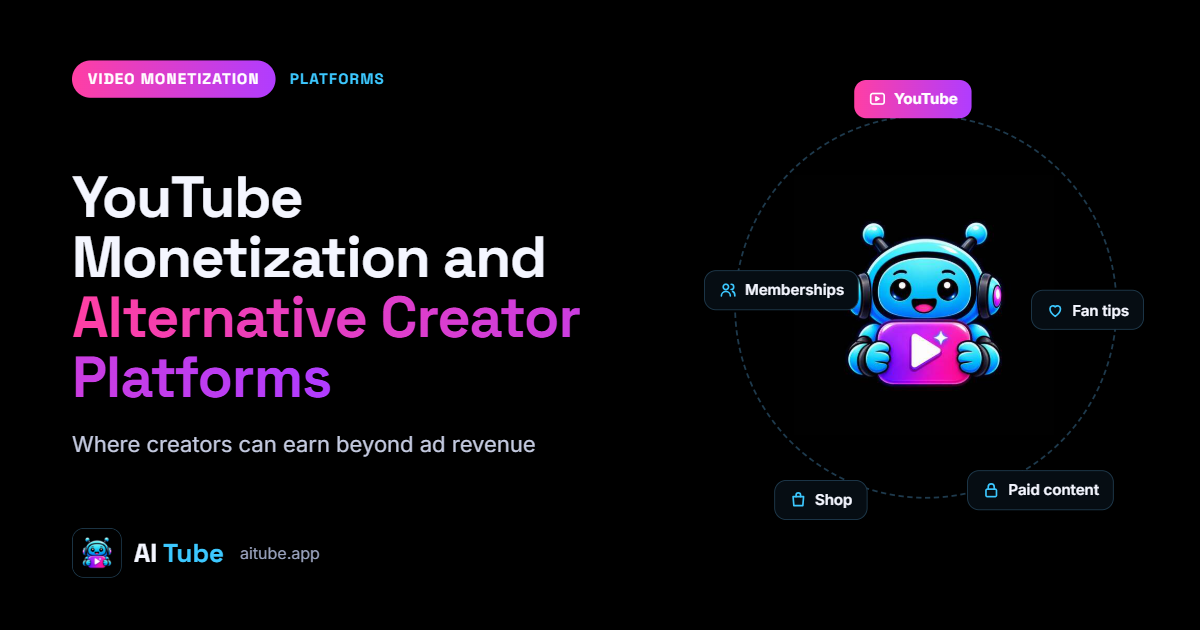
YouTube offers several monetization features through the YouTube Partner Program, including advertising revenue sharing and eligible fan-funding features. However, creators must meet the applicable eligibility requirements and follow YouTube’s monetization policies. Review the current YouTube Partner Program requirements and channel monetization policies before relying on a particular income source.
Alternative creator platforms may provide different combinations of publishing, community, creation, and monetization features. The important question is not whether a platform is described as an alternative, but whether it offers the specific features a creator needs.
AITube is an AI-powered video and creator platform designed around creating, watching, and earning. Creators exploring its ecosystem can start with the AITube homepage and review the available tools through AITube AI Studio. Check the current platform terms and monetization requirements directly before making financial plans; available features and eligibility can change.
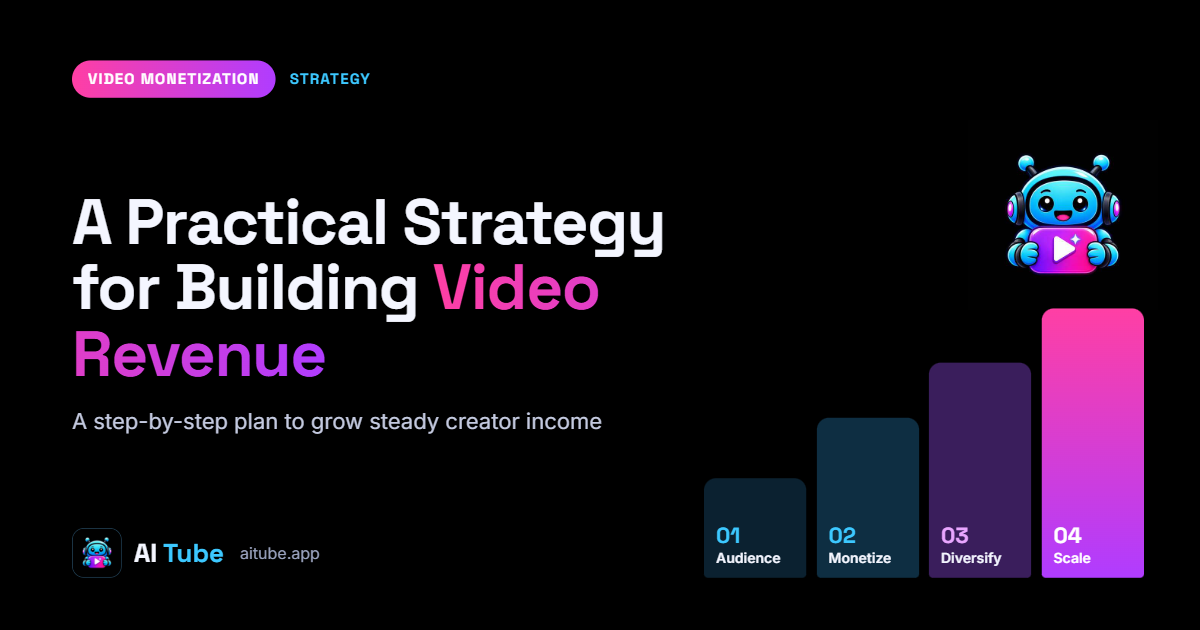
A Practical Strategy for Building Video Revenue
Step 1: Choose a clear audience
Decide who your videos help or entertain. A focused audience makes it easier to choose topics, create relevant content, and attract suitable sponsors or customers.
Step 2: Publish consistently without sacrificing quality
Create a manageable schedule. A repeatable workflow can include topic research, scripting, recording or generation, editing, captions, quality checks, publishing, and performance review.
AI editing tools can help streamline parts of this process. For example, creators can explore AITube AI Studio for its available video creation and editing capabilities. Always review generated content for accuracy, originality, and suitability before publishing.
Step 3: Select one primary revenue model
Start with the monetization model that best fits your content. Advertising may suit a large audience, memberships may suit a loyal community, and digital products may suit creators who teach a specific skill.
Step 4: Add a second revenue stream when appropriate
Once the primary model is working, consider a complementary option. An educator might combine free videos with a paid course. A product reviewer might combine sponsorships with disclosed affiliate links.
Avoid adding too many revenue methods before you can manage them properly.
Step 5: Measure results
Track more than total views. Review audience retention, returning viewers, click-through rate, engagement, subscriber growth, conversions, and revenue where available. Use these metrics to understand what attracts the right audience and which content supports your goals.
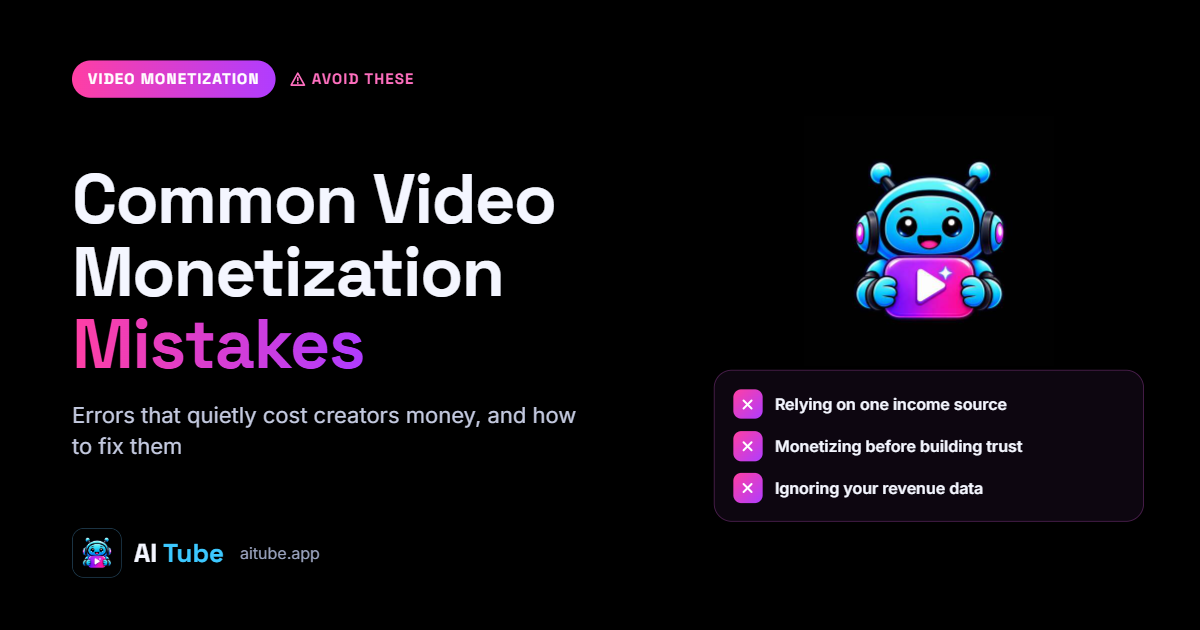
Common Video Monetization Mistakes
Creators often expect immediate revenue, choose platforms without reviewing their rules, or focus only on views. Other common mistakes include publishing repetitive low-value content, ignoring copyright, hiding sponsorship disclosures, and promoting products that do not fit the audience.
Originality is particularly important. YouTube’s monetization policies explain that repetitive or mass-produced content may be ineligible, while content should offer distinct value to viewers. Read the official monetization policy and apply the same principle of genuine value to your broader content strategy.
Conclusion
Video monetization works best when creators combine useful content, audience trust, a suitable platform, and a realistic revenue strategy. Advertising is only one option; subscriptions, sponsorships, affiliate marketing, digital products, and licensing can provide additional opportunities.
Start with one clear audience and one practical revenue model. Review the platform’s current policies, measure performance, and expand only when your audience and workflow are ready. For creators interested in combining AI-assisted video creation with a creator-focused environment, explore AITube and its available AI Studio tools.